

Through controlled chemical reactions, the metal surface is transformed into a protective phosphate crystalline layer that enhances corrosion resistance, coating adhesion, and mechanical performance.
In industrial applications, phosphating is widely used in the metalworking, automotive, and hydraulic sectors, where high quality standards, process stability, and regulatory compliance are required.
Pontoglio Vincenza provides contract processing services for metalworking, hydraulic, and automotive companies that require maximum reliability, regulatory compliance, and customized process control, supported by technical expertise and dedicated industrial facilities.
Do you need a customized phosphating treatment?
Contact us for a free technical consultation and receive your quotation.
What is phosphating?
Phosphating is a chemical surface conversion process in which the surface of ferrous metals, such as steel and cast iron, is transformed into a protective layer of insoluble, non-conductive phosphate crystals.
This coating, which is tightly bonded to the crystalline lattice of the base metal, performs a dual function:
- Anti-corrosion barrier: protects the metal from oxidation and atmospheric agents.
- Adhesion substrate: its microporous structure makes it an ideal base for paints, protective oils and lubricants, improving the mechanical performance of the component.
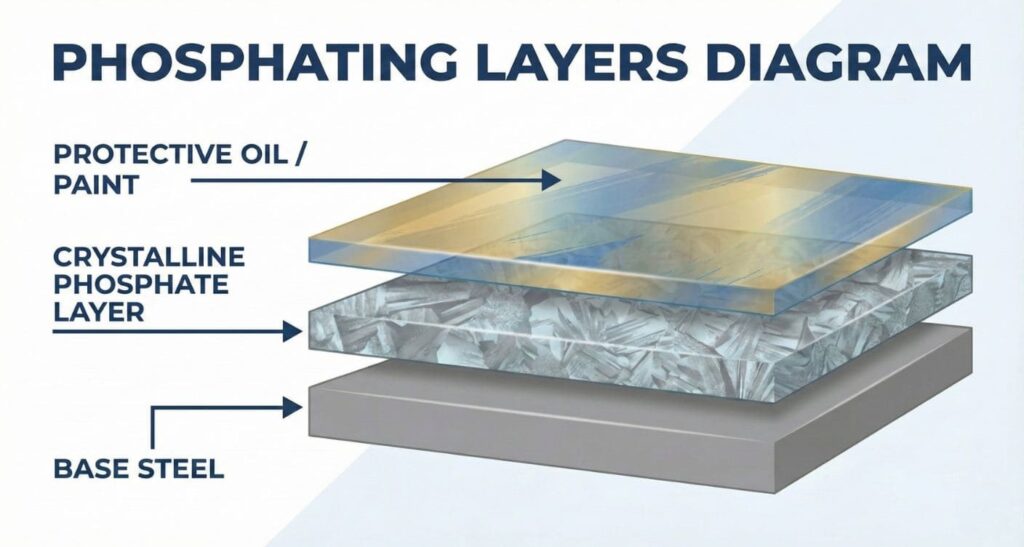
Phosphating and other surface treatments
Phosphating differs from surface treatments such as black oxide, galvanizing, or painting because it does not apply a simple external coating, but instead creates a chemical conversion layer integrated into the base metal.
This characteristic makes phosphating particularly suitable when long-term stability, compatibility with subsequent treatments, and functional improvement of the component are required, in addition to corrosion protection.
The advantages of industrial phosphating
Why choose this treatment over other coatings? Here are the main benefits:
- High corrosion resistance: long-lasting protection even in aggressive environments (salt spray).
- Excellent base for painting: increases adhesion and prevents paint detachment over time.
- Anti-seizing properties: significantly reduces the coefficient of friction (especially in the manganese variant).
- Facilitates running-in: allows gradual adaptation of moving mechanical parts.
- Surface uniformity: seals micro-cavities and creates a controlled thickness (generally 5–20 microns).
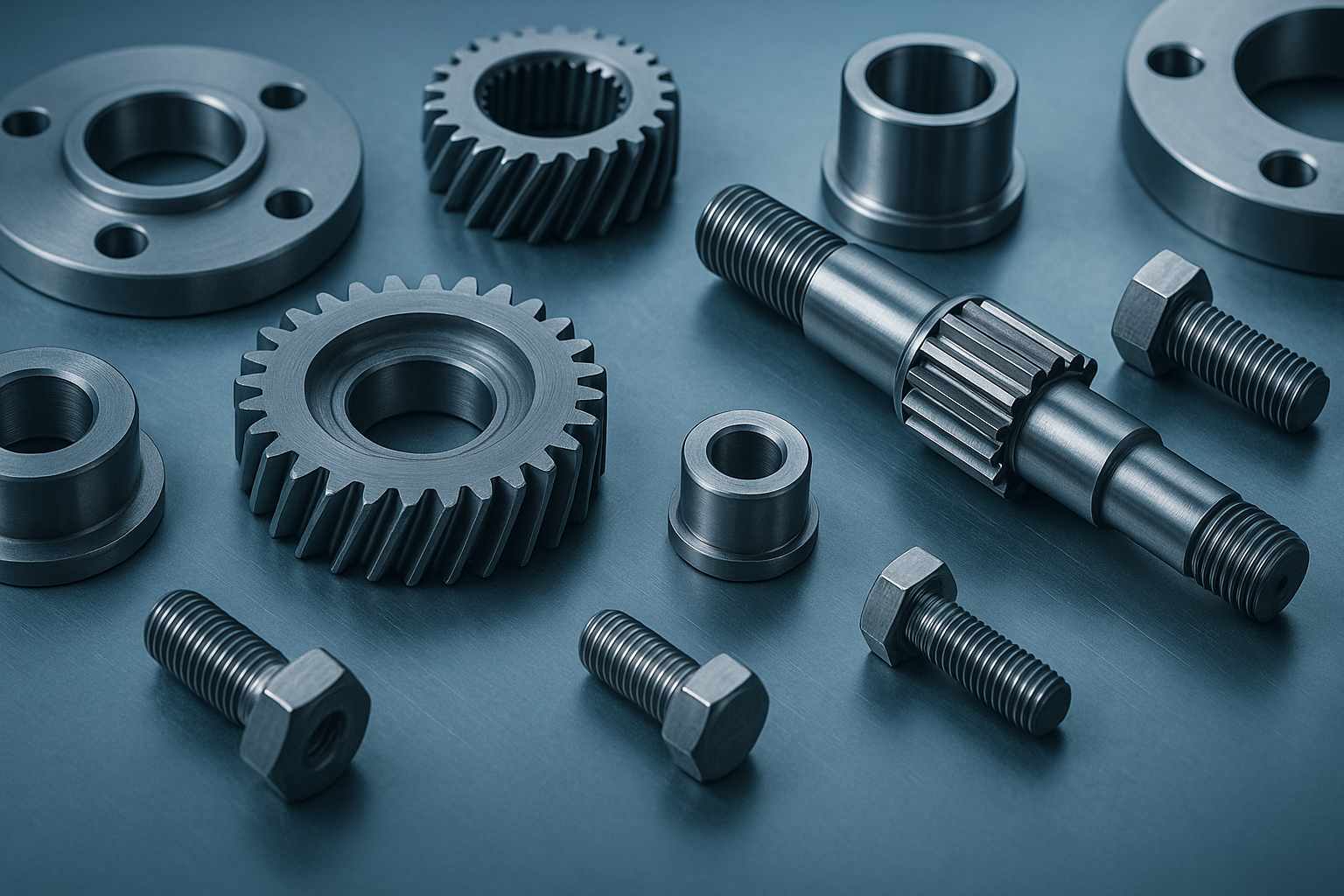
Our processes: manganese and zinc
At Pontoglio Vincenza we offer the two main phosphating variants, optimized for specific applications.
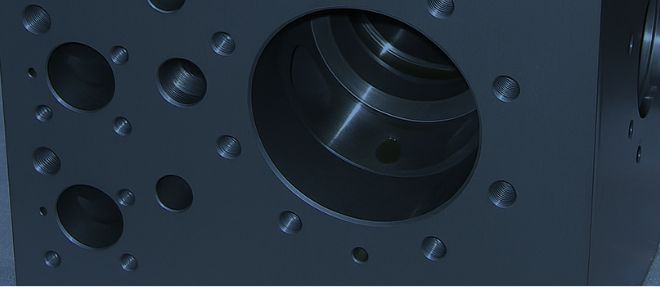
ANTI-WEAR.
Manganese phosphating is the preferred choice for precision mechanics and components subjected to high friction. It produces a dark grey/black coating with excellent oil absorption capacity.
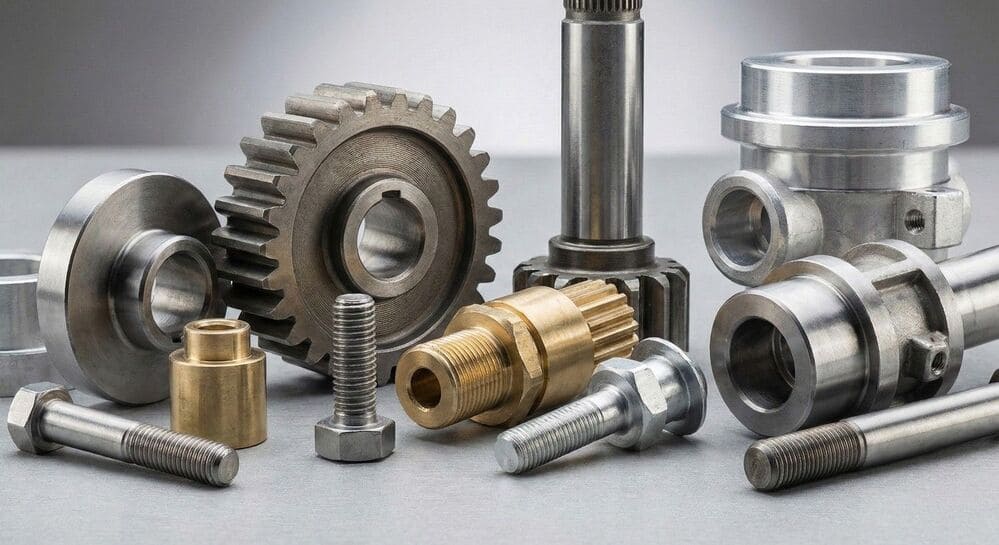
Ideal for: gears, crankshafts, pistons, bushings, firearms.
Focus: anti-seizing, self-lubricating properties, resistance to sliding wear.
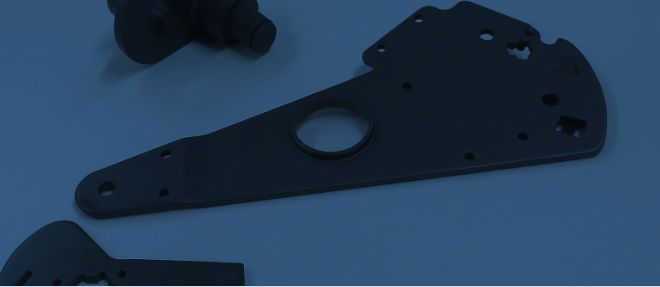
ANTI-CORROSION.
Zinc phosphating is the most effective pre-treatment for maximizing corrosion resistance. It creates a fine, light-grey, compact and uniform crystalline layer.
Ideal for: automotive components, fasteners, metal structures, base layer for powder or liquid coating.
Focus: maximum salt spray resistance, paint adhesion.
The phosphating process
To ensure compliance with regulations (e.g. UNI EN 12476) and the highest quality standards, our production cycle follows strict phases:
- Finishing: application of emulsifiable or protective oils to seal the porosity.
- Chemical degreasing: complete removal of oils and machining residues.
- Rinsing: washing to prevent contamination.
- Activation: surface preparation to refine crystal formation.
- Phosphating bath: immersion in tanks containing the specific phosphating solution.
- Finish: complete drying (dry phosphating) or application of protective oils (oiled phosphating) to enhance anti-corrosion properties.


Application sectors
We work as a subcontractor for the most demanding supply chains in Northern Italy (Brescia, Milan, Turin):
- Firearms industry: treatment of barrels and trigger mechanisms.
- Automotive: engine components, braking systems, transmissions.
- Hydraulics: cylinders, fittings, valves and pumps.
- Oil & Gas: special fasteners and bolts resistant to corrosion.
- Earth-moving machinery: pins and components under high mechanical stress.
Why choose Pontoglio Vincenza
In the industrial surface treatment sector, partner reliability is crucial. Pontoglio Vincenza guarantees:
Production capacity
Modern plants with large tanks to handle both small parts and large components.
In-house laboratory
Continuous monitoring of chemical baths and thickness checks on every batch.
Certifications
Full compliance with environmental and quality standards (ISO 9001).
Technical consulting
We are not just executors; we guide you in choosing between zinc and manganese based on your technical drawings.
FAQ – Frequently Asked Questions about Phosphating
While black oxide treatment is a black chemical oxidation often used for aesthetic purposes and light protection (indoor use), phosphating creates a true crystalline layer that provides significantly superior corrosion and mechanical protection.
Resistance varies depending on the finishing (oiled or painted). A properly oiled zinc phosphating treatment can easily exceed 96 hours in salt spray testing, reaching much higher performance levels when used as a base for painting.
No. Phosphating is an industrial process that requires controlled temperatures, compliant sludge disposal, and precise chemical management. We do not recommend DIY kits for applications where safety and dimensional tolerances are critical.